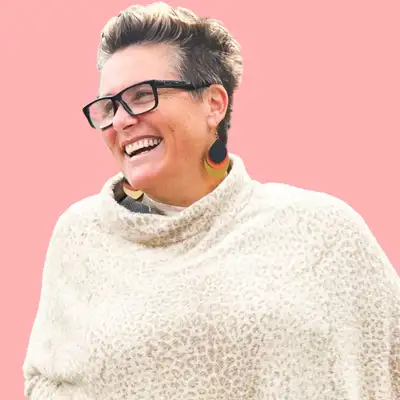
Midlife Reclaimed with Kristen Brickl
Kristen Brickl - Podcast
===
[00:00:00] Hey Augustine. Kristen, how are you? Good. It's nice to meet you. Likewise. Thanks so much for
agreeing to jump on here. [00:01:00] Yeah, so fun. Talk about all the things. I discovered you on Instagram and I
just loved following you, and I thought,
let's just start from the very beginning. Tell me who you are,
where you are, and how
you got started in this.
What do you do? Great. My name is Kristen Brickl and I'm an
intuitive licensed professional counselor
here in Colorado in the United States. And I've been working with people in some
capacity on and off for the last 20 years. And then the last eight really have focused
on women in midlife and helping them move
out of feeling disconnected from themselves
and into a place of reclaiming joy, pleasure,
dreams, vision, embodiment, all of it.
I love that. What a great mission. That's so fun. And I bet you see some really rough stuff
because women growing up and living
in the patriarchy and trying to [00:02:00] explore
themselves and being mothers at the
same times, often times having challenging
careers is a really rough combo of things.
So I bet you see and hear some hard things. I do. I do. My population is generally women
in their mid to late thirties all
the way to their early seventies. So definitely women in their
childbearing years, women raising
families, trying to have careers. Midlife is a time of transition. So much happens to us as
women in midlife, I think.
And it's assumed we have it all figured
out, but, raising children and then
those milestones as kids age out and
they're in the world and women are
having to then look back at themselves
again and go, okay, what do I want? But that, and taking care of sick
parents retirement, career changes
maybe that weren't planned
for health crises, you name it.
Yeah. But all of that sits in our nervous
system and there's an impact[00:03:00]
and somatically in our bodies. It's all of those things. Yeah. That's what we're gonna dig into. And first I just wanna give you a
little context because I know this is
maybe not your normal audience. But when I look at the show demographics
of the people who listen to our
show, they're all in that age range.
Yes. Not all, but it's like a massive proportion. And they are almost all working or
intending to work once they get
through some early baby years. And there vast majority of
our listeners are parents. And so it's a, even though it's like very
tangentially related, I feel like this audience
could benefit so much from your wisdom.
And then there is the second piece,
which I really loved learning about
you as I was following you, is this
real breakdown of how to choose
this parenting pathway consciously. [00:04:00] That what we inherited maybe from boomer
parents is not, did not work for many of us. And then now how do we break free of that?
And specifically in those early years. And one of the reasons that I wanted
to ask you about this is because my listeners
are busy counseling new mothers as the
result of their profession as midwives. And certainly so many of us have been
fascinated by pre and perinatal psychology. APA has been, at some of our work
conferences and things like that, and,
Mary Jackson and Ray Cast when
he was alive, and Wendy McCarthy.
And there's a lot of influences
that we all love and follow. And yet somehow I feel like getting clearer
about the language and how to use that
language to, to influence how we're coaching
and counseling and supporting and how
we're actually maybe even doing it ourselves. So there's a huge spectrum
I wanna talk about today.
But first tell me, how did you get into this? [00:05:00] How did this become your focus? Because there's a lot of therapists out there,
but there's not a lot of therapists who are
focusing on midlife and women's challenges,
and there's not a lot of therapists who
also understand pre perinatal psychology. So tell me how this
became a passion for you.
It honestly goes back to my mother. I shared this story publicly, but she was,
I was 16 when she was first diagnosed
with breast cancer, and that really ignited
this process over the next several years
where she would be in remission and
then it would recur and it would spread. And so I watched her from the
lens of my adolescent self.
This woman I adored and admired
and also had a strained relationship
with because she also had struggled
on enough with depression. And so I watched her, my whole identity
become this warrior, if you will and, figuring
out her relationship with cancer and
thinking of it as a spiritual awakening, right?
There's this [00:06:00] quote that I love that
says, diseases heal us by restoring
our spiritual participation in life. Whoa. That's powerful. I don't know who said it, but it
gives me chills every time I say it. And so I observed this whole experience
that she went through, and then
she did die by the time she was 58.
And I, at the time was I had just gotten
married and then six days later she died. Wow. And then I was pregnant with my
first daughter, my first child, like
two months after I got married. Wow. And so I share this because, I raised my kids. I have two middle schoolers now,
and it occurred to me over the
last several years, oh, it makes me
emotional when I feel into this.
My mission is truly, 'cause my
mom said to me before she died,
Kristen, I never found myself. I don't think I ever found myself. And it was just this reflection that
she had and took with her [00:07:00] and my mission is
to help women wake up and be connected
to their gifts, connected to their vision so
they don't die long before they ever lived.
Because I think I come from a lineage of
women who died long before they ever lived. Chills. Ooh. So that's it. It sits so and deeply in my bone
marrow, my why of serving. Ooh, that me teary. Yeah. So powerful. And so I think unfortunately,
common this story. Yes, it is. I feel it. Yes. Yeah. I often work with women who self-identify
as over-functioning or people pleasing, and
I talk to them about this arc that, yeah, you
were raised as a good girl or to be a good girl.
And that is a nervous system early on that is an absorber and not an [00:08:00] observer. She's taking on, right? Yeah. But that good girl becomes a people pleaser. And that people pleaser becomes
an over-functioning, anxious woman
in midlife, either as a mother or
juggling motherhood and career. And then by the time she hits later
midlife, that's when martyrdom
shows up and the diagnosis.
And it's not to scare women,
but it's to, to call it out, yeah. There's some pattern
recognition here, correct? We can see it, yes. Yeah. I really wanna honor your life's mission. What a powerful pathway. And I also wanna make a big announcement
to those who are listening and say,
I also really wanna honor your life
mission and know that none of you have
chosen to self abandon on purpose.
By calling it out and describing it. We're not like vilifying that process. We're not diagnosing, we're not like,
there's nothing wrong with you. You're just deeply burdened [00:09:00] and we're
talking about how to unburden some of this. That's how I would say it. A hundred percent. I love that you added that.
Yes. Yeah. It's liberation, it's freedom. Yes. It's rec reclamation. It's bringing out of the darkness what's
festered and sat there back into the light. And I really believe in the power of
women serving each other, like that
is the power of our sisterhood as
women and helping each other rise.
Yeah. And that's the spirit in which I bring this. And also I think many of folks who
have followed my journey for a while
know that I'm one of those women. So it's not, it's hi, I am,
totally come by it, honestly. Yeah. I did the extreme personal
development course here in life myself.
I got to hit the ground really crazy
sickness that almost took my life in 21 as
a result of the martyrdom and over giving. I got to the very end of my energy
envelope and was bed bounded on
oxygen for a number of months, and
unable to walk or talk and have slowly
[00:10:00] clawed my way back to functional.
And people will ask me, what did you do? What did you do? And and from many different angles, right? I'm not bedbound, I'm not
in a wheelchair anymore. I'm not walking with a cane. I lost a hundred pounds. I like look better. Like the whole thing, right? Yes. And people would say, what did you do?
What did you do? And I boiled it down to two pretty simple
things, and I'd love to use this as like a
jumping off point for what people can do. As I just say, I stopped eating toxic things
and I stopped hanging out with toxic people. And everyone always follows
up and be like what is toxic?
How do you describe that? So I'm gonna bring that to you as a therapist. I know you don't know my story, but
my thought around the toxicity was
you can't keep poisoning yourself and
expect to get better in any avenue of life. Correct. And so I discovered. What was poisonous to [00:11:00] me. And I feel like that is a huge part of the
getting out from under the Good Girl
umbrella because what you're, what I
feel like what women are doing there is
they're continuing to use the rules of
the game when they were younger and
smaller to survive in their now fun, fully
functioning, sovereign adult space without
realizing that they're someone else's rules.
Yeah. And so getting out from under that. Is the way home to yourself,
but it is also so hard. And I guess I just wanna
name it sounds so simple. Just say, just stop poisoning yourself, but
identifying the poison and identifying
what it does to you, and identifying
the new lifestyle change or the new
thought process or the new mindset.
And then maybe not hanging out
with people because they do the
thing that actually triggers the thing. It's actually quite [00:12:00] hard. So let's start at the beginning and
really talk to people who are in a
place that's super suffering right now. And I think the only people listening to this
would be, who, who have I recognized that?
'cause there are lots of people living
in unconscious suffering, right? Correct. But let's say that somebody
is I can't do this anymore. My life is crazy. I can't do this. What are some of their symptoms? How would they know that
they're in this crazy place? And what are some of the first steps?
Great question. I'm gonna speak it to this through the
lens that I meet women, which is typically
their whole life feels like managing. And it feels like the opposite of
connection in its simplest form now. Now when you talk about toxic people
or toxic foods I hear that through
the lens of old patterning, right?
Or addictive tendencies. And that lives on a spectrum, of course. But I always [00:13:00] say that these behaviors
these toxic patterns that are maladaptive,
but we do them mindlessly anyway, are
literally the opposite of connection. We're reaching for something outside
of ourselves in desperation, in hopes
of changing our state internally.
And so that's where I always start,
is in bringing women into the loving
sphere of love I see you, I feel you. I am you. I've been a version of you. And like you haven't missed
the boat and it's not too late. But we have to always turn towards,
the answer is always in turning
towards slowly and gently, consciously
bringing that self-awareness because
then that creates agency of great.
Now what's the new action? I love that. That's a very good description. And I get pushback when I say something
similar and they're like, but I'm on call. In midwifery we can be called [00:14:00] at 3:00 AM
in the middle of a basketball kids' game, in
the middle of sex, in the middle of dinner. Then you can get called
at any anytime, right?
So they're like, but I'm on call, but I'm a solo
business owner, but the buck stops with me. So help us get through some of the
resistance that someone might have to
face the change that their body is craving. Great. So the other piece I really speak
with women about, 'cause we
miss this constantly, is transitions.
What I mean is you're at the grocery
store you come in and the house is in
chaos, and then you get a call that you
need to go out to a birth, pay attention
to those moments of transition. What's the story? Is it like, great, I just came off
of another birth and now I'm having to
go on another one and I've, I'm working
on three hours of sleep and dah.
Because those thoughts create feelings. Those feelings create a story, and
then in that way we get really stuck. So one of the things, I do this, [00:15:00] even I practice
this, I'm a single mom, I'm running a business,
like there's other things going on in my life. I'll just say, pause. This is my moment to receive.
And I just literally will take a few
deep breaths and close my eyes. But if I don't make it conscious
and I say it out loud, pause. Hey girl, this is your moment. Receive this because the rest of the
day might be chaos and pandemonium. To do that a sprinkle of
throughout the whole day. Otherwise that time never comes.
And that's why women end up
utterly destroyed and depleted. It's because we don't ever
consciously stop and slow down. Yeah. That is a great first step. That's a first step. Pause. Yes, pause. I love that. That's great. Pause. Take a breath. This is your moment. This is my moment to receive.
Okay. Onward. Yeah. And that can be done in the car. Yes. That can be done between prenatals. [00:16:00] That can be done even after
you get that call that says. Please have come. It's, there can be a moment where you
receive from the universe you receive
from your higher self, you receive from just
the breath that you can take whatever.
Yeah. Yeah. Beautiful there. This, those micro moments because the
capacity to which we can breathe is totally
tied to the capacity to which we're alive
when we are stressed and burdened and
juggling seven things or spinning the plates. We're also, generally, I have found
women are, we're not breathing.
Not deeply. Not consciously. And so to remember, wait, I am, infinite
awareness, having a human experience. Okay. Yeah. And of course somatically, it resets
your vagus nerve and allows you to
be conscious and la all the things, but
that's just such an important first step. That's really beautiful.
Yes. So now I wanna go in a different direction
and I wanna talk about what I think you
and I both really [00:17:00] know in our body about
what happens if you don't make this
change the first or second time that your
body says, Hey, this is unsustainable. We can't keep on at this path of self
forgetting or martyrdom or whatever.
Like what happens if you don't hear it, I
always talk about it like first the universe
kinda whispers and then it'll be like, hey,
and then you'll get the two by four, the
cosmic two by four upside the head,
and then you're down from the count. So what happens? In real terms, what have you seen?
When they've, when you're, when
somebody has missed the call or
the awakening or the invitation. Yeah. My, my tagline is midlife is only a
crisis if we miss the awakening. So I would agree that if we miss the
whispers and then they turn into a
louder voice and until we really wake
up and it feels like a crisis is happening,
this is gonna maybe sound contentious.
And I [00:18:00] know some people oooooh
this, but I do think, I believe
life is always happening for us. And so for me, I look at my life and I
even when it's absolutely incredibly
difficult, even then I can still look out
and I go, I don't know if I'm gonna make it. And for some reason I know
this is happening for me.
And what do I need? Where are the anchor points or the pillars
in my life that I can reach to right now? Sometimes they're tangible and
sometimes they're intangible. I work a lot with women on their spirituality
and really reclaiming that space of a place
of nourishment and support because
sometimes when we've gotten so hooked
into managing and life is so busy, we've
also neglected the relationships that
might have been pillars of support.
Or even the relationship with self, that's
oftentimes hundred percent missing. Yes. Yeah. But I wanna go into the if you really
continue to [00:19:00] ignore the whispers and
then the demands and then the yells. Just if you ignore your kids, mama mom.
Correct. Mom. It gets louder and louder. Yes. Yes. Until at some point someone breaks
something in order to get your attention. And the universe works
the same way and correct. Having almost broken all of myself I feel
and now be, being in women's health
for 25 years, but now having lots of my
colleagues reach out to me and be like, help.
How did you get through it? I would say that I can see the correlation
between over giving and breast cancer. Of course you're gonna get cancer
in the organs of nourishment
when you don't self nourish. I can see the autoimmune connection. Yes, I can. So tell me about what happens if you
don't stop and hear the whispers.
Yeah, and I think you're naming it. I have a lot of women in my practice
that do show up with autoimmune
issues or some kind of health crisis. The body does not. Chronic fatigue syndrome, chronic fatigue. Yeah, there's a book I love, it's an oldie
[00:20:00] but goodie by Bessel VanDerKolk.
It's called The Body Keeps the Score. It's exactly what we're talking about. This is your one vessel. There's literally no other place for the
energy to go if we're not consciously
dispelling it or however we do that
through exercise, our spirituality and
practices, through our sisterhood and
friendships, through our acts of service.
Like I don't care what it is, but if
we're not consciously moving the
energy, it will accumulate in here
and there will at some point be the
crisis that occurs on a physical level. And until I've seen it happen, we're like
women then literally feel beholden to
their career and then suddenly there's
this health crisis and they have no option
but to take a six month sabbatical.
Yeah. Yeah. And it's that's, and one of the
early precursors is burnout. Correct. And so fatigue and so like
the symptoms fatigue. Yeah. Compassion fatigue and burnout. Especially in helping
healthcare professions, right? Yes. And this was one of my biggest wake up
[00:21:00] that is sometimes devastating when you
first get it, which is, I don't wanna go to work.
I don't wanna hear another woman
cry about preparing for birth. I don't wanna help anymore. Oh God, someone just called in labor,
so I just wanna say to those midwives,
like that is a really big wake up call
that's sleep is not gonna fix that. That is your soul calling for rest. That is your body saying
you have to get off this train. Yes. Those are, that's one of the whispers is
I don't wanna do this anymore, correct. I always say I talk to women about
appreciation and gratitude because a lot
of women I work with are entrepreneurial
or are in some kind of health and healing
and caregiving leadership, light leader
roles, midwifery, that type of thing.
And if they lose sight of appreciation and
gratitude for their why, that is a huge red flag. Huge red flag. Yeah. And if you keep on that path, if you [00:22:00] don't
get sick, then one of your clients will. Yes. Because you don't know what you're
doing anymore because you've
got the blinders on of burnout. So it's actually quite dangerous.
It is compassion fatigue skyrocketed
during the pandemic and after the fact. There was a lot of research done
in terms of the even two years out,
four years out, what's happening
for all of those healthcare workers? And the, at least here in the states, the,
it dropped off dramatically in terms of
interest in those professions because
they're often underappreciated professions.
Yeah. Which is part of the martyrdom Correct. So hard. Oh, and so I just wanna Yeah, go ahead. I just need to name that
martyrdom happens right. When we're serving from a place of lack
rather than serving from a place of fullness. That's beautiful. I talk with women about longing and how
we, we have a womb, we have a pelvic
floor and a womb that wants to be [00:23:00] filled.
That is, it's almost never
filled as a woman, right? The longing. But we meet that longing either from
lack and scarcity, and we look outside
of ourselves, and then we get hooked
in this over-functioning business. Versus filling it from the
place of longing or fulfillment. And desire. Of fullness of Ooh, I'm worth it. Gratitude, I love my life. What do I wanna create? What do I wanna receive? Big difference. Oh, feel it my room. Feel it in my room. It's real. It's so good. Yeah. It's so real. And that mindset of
where you're coming from. But if you've only ever come from
self abandonment, I must, there's
not enough time hustle culture.
If you've only ever come from that place,
then it can be really hard to figure out how to
come from a place of enoughness fullness. I don't always love the place abundance,
because you can have abundant pain
and you can have abundant exhaustion
and whatever, but that's fullness,
that enoughness, it's really hard to
cultivate [00:24:00] that concept if you've never.
Ever lived in it? Yes. So give us some ideas, like what's
a great practice to help come to
learning what fullness and being
met by the universe feels like. Yeah. I really believe in going
in and through the body. What I mean is that generally the
over-functioning and the burnout
and the unfulfilled longing are
absolutely tied to a lack of self-worth.
It's undeniable, when they look at how people
change and how we grow, researchers
found it comes down to self-love. The difference between people that are
motivated and go into the action stage
and maybe they fall back and relapse
and they go, oh man, I messed up. But they get right back into the action.
It's self-love. Versus people that don't have that
collapse all the way back into, I'm
not good enough, this is bullshit,
I can't do this, I'm overwhelmed. So [00:25:00] I always invite women that we have to
start with our bodies because this is the
vessel that's housing all of that energy. So something as simple as put on
your favorite song and go shake your
money maker in the kitchen right now.
Or can you go out for a 10 minute walk? You're the only one that can do that. Nobody's gonna come and do that for you. But going in through the body first in that. Love that. Yeah. In that reclamation journey. I would say the practice of self-talk
and reparenting was a huge
part of me figuring that out and
I identified that I had a really mean girl inside
of me who said really mean things that I
would never say out loud to anyone else. And that was an inherited voice. And I need to retrain that inner self
monologue to a place of kindness
and love in order to break free. And so I called that self-talk and
reparenting and basically I would cultivate
the most [00:26:00] mature adult version of myself.
The the earth mother, always like
that loving, abundant bosom. Oh baby, I got you. I would cultivate that brain
and then I would say, it's okay. You spilled that. It's okay. You're late. We'll figure it out. Yes, it doesn't have any
effect on who you are. Everyone makes mistakes, and I would
say the things that I wish that I had
been told yes, so that I could re-parent.
Those little parts of me that were
really hurting and over-functioning
and trying to solve the thing. And I just had to teach self-love
through this inner monologue. Do you have a practice like that? Have you used that? A hundred percent. Yeah. I love parts work 'cause how I call it my
world and I talk a lot with people about
the adaptive child versus the wise adult.
And we know we're in our adaptive
child and stuck in this like burnout over
functioning or in a relationship or wherever
in life [00:27:00] when we've abandoned our values
because we are so insatiable in trying
to get our need met that the values long
let go, went out the window because
I'm desperate to get the need met.
And so I love that what you said about
like mindset and watching those thoughts
and noticing, oh my God, that's totally my
8-year-old right now who's just desperate
and abandoned and overwhelmed. Can I come in and just love up
on her and be like, baby, I got you. I love you. Yeah, and I literally will be
driving, I'll just say it out loud.
I'm like, I care. Yeah, me too actually. Yeah. I don't, I think talking to yourself, underrated
skill, like it's great skill, Taha, it's true. You just have to be really conscious
about the what the word say. Correct. Love that. 'cause we are all talking to
ourselves all the time, right? All the time.
God dammit, I'm such
an idiot, blah, blah, blah. That's the pain. That's the damage right there, right? You have to talk to yourself with love
and it's a [00:28:00] practice that only you can do. It's o only you can make this change. It doesn't matter what mean things
were said to you for husbands or
teachers or parents or whatever.
You have to cultivate that inner voice and Right. Catch it every time It's off. You have to catch it. And it's definitely a practice. I would say not underestimating it was
a practice of a good five years before. Yeah. That inner voice was like always nice to me. Yep. Agreed. It's a devotional practice.
I I think of it as such, like it really is
devotion when we start unlearning
some of these patterns and habits
and identities we've carried. Yeah. Yeah. So powerful. So somebody listening has
been like, oh my God, that's me. I can't do this anymore. I'm super burned out. I'm exhausted, but I'm also the primary
income earner, or I also have this business.
I'm running with employees. I can't just walk away. I [00:29:00] can't just take time for myself. I have to figure out how to build this new
mindset within the life I already have. What can they do? State story and strategy, if the
state meaning their physical body. Is stuck at a certain temperature
in that, it's 68 degrees and they
have to stay at 68 degrees.
'cause that's like the fulcrum
that's holding everything together. And then if there's one more thing
added and they're up at 74 degrees,
the whole hell's gonna break loose. So the only way to uplevel or move
beyond the capacity to expand the
capacity is to first start with your
state everything we're talking about.
What's happening in your physical health? What's happening in your mindset? What's the story you're writing
about the limitations of your current
version, of this version of your life? We have to look in. It's what I said at the beginning,
like it's the only place to go. What I find is when [00:30:00] people get to that
end of the road, flooded place, they're so
focused on looking outside of themselves
because they're feeling so desperate.
The place to start is just to
slow down and go right here. What's happening in my body? What's the honest truth? What's the story attached to it? And then we come up with a new strategy. And I also think, at least for us as women,
we co-create very beautifully together. And so to call upon your community
of sisters and other women of she's
figured something out that I don't
even, I don't know how she's doing
it, but go and talk to that woman.
That's something I do when I see
somebody that's seems to have figured
something out that I'm aspirational about. I wanna pick her brain. And women we're generous. Me too, girl. Yeah. At this conversation right here. I love it. Yeah. Women are so generous and
they have gosh, they, it's not.
That most of the women who you come to
and say, tell me how you figured this out. They'll be so [00:31:00] honored. Yes. They will feel so respected. They'll be like, let me share the bounty. Yes. That's the beauty of us. I know. And so call upon that network, especially
in your darkest hour, like Yeah, it's beautiful.
Yeah. Yeah. And also because this is a
pervasive problem in midwifery. There are very few elders that have done
this, and I'm just naming this because this
was my experience coming up in midwifery,
and now I have done what so many others
have done, and I have left the profession,
which is why there's so few elders.
Yeah. Field evolved. Actual like crone elders, right? Yes. There's old midwives. Yes. But many of them are just in
a functional state of burnout. Correct. It can be hard to find the people that get it,
which is where I love this interprofessional
piece is where we lean in to the other
helping profession than the other
[00:32:00] communities who might not have it.
So pressurized like midwifery is so
pressurized, such a marginalized profession
with so little pay, with so little respect
with, so some other professions like your
chiropractors in your community, like the
massage therapists in your community, like
the counselors in your community therapist,
they might have figured something out
that midwifery hasn't quite adopted yet.
And so having a broader, like envelope or Yes. Yeah. We, I love the birth center here in town. I love it. It's a cohort of midwives that then are
literally surrounded by in the same building
therapists, acupuncturists, it's like all of
these wraparound services, a one-stop shop. Love that. It's it's, I love it.
It's how it should be. Yeah. Everybody collaborating
together, so beautiful. And in fact, even though it will maybe
create more burnout in the beginning,
[00:33:00] one of the strategies that I have
used when I was still functioning
in birth work was, is I created that. There's no reason you can't sublet
space to some other providers.
Bring that rich knowledge and grounding
and body work energy and that that other. Expansive level of knowledge and training
into your birth center, into your clinic space,
into a co-op together, and then barter. Yes. It doesn't even have to cost money, right? It's like you have plenty of knowledge
that you can share or just space
that you can share for people that
have a desire to work with you.
And so I had weekly massage appointments
and reiki appointments with providers
who were so happy to use the extra room
in my clinic for the rest of their clients. So there's ways that you can, without extra
money and without extra time create
the container that you actually need. Yes. Yeah.
Yeah. And I love that you're seeing
[00:34:00] that where you are in the world. Yes. Okay. Let's do another scenario. Let's say one of our listeners is yeah. I get all that. I've been doing the things. And I just feel like I have a ceiling
I can't quite get out of the drama. The thing I've been doing mindset
and I've been doing self-talk and
I've been reducing the amount of
yeses so that I can say yes to myself.
The sacred, yes, holy no workshop that I
teach and I'm cultivating this new reality
where I don't self abandon or self forget,
where I'm not only focused on other people. I have the on-call strategies
where my phone, they have to
call twice to get through to me. I don't get the calls about indigestion
at 10:00 PM like I've set up the boundaries.
I'm doing that boundaries work, and
I still just feel like I'm gonna crash. My body is sick, or I'm exhausted,
or I feel compassion fatigue,
and I just can't [00:35:00] break through. Do you have any like hard set reset? Like tools and suggestions for people who are aware but unable to move,
make the traction happen.
Yeah. Yeah. Honestly, I'm gonna use a birth analogy
here, but please, I think I, I think of that
as the moment when a baby's like
literally moving down the birth canal. The water's broke, and the
baby's like in the liminal space. So is the woman who's not yet ready
to push, but god damn she's close.
It's the moment where there's the pause. I don't want to do this, I
can't do this one more. I, it's the liminal and it's the most cringey
and the most uncomfortable space to be in. I find in, when I sit with women and hold
space for them, nobody wants to sit there. 'cause it's tight.
It's uncomfortable. We can't see shit. We don't know what's coming next. And so part of it is. I'm getting curious about [00:36:00] what's so oof,
what's so uncomfortable about that? And then I, what I love to do with
women is let's rely on other senses. Right now you're in the liminal, which
means you've left what you've known
and you don't know where you haven't
quite landed, where you're going.
This isn't quite it great. So I will pull in all kinds of woo, like you name
it, like intuitive oracle cards, drumming,
moving our body, getting outside, changing
the relationship to the liminal is the first step. Can you get curious about that? The only way out is through Yes. We tell women this all the time.
Yes. Yeah. I love that. And so it's that though, it's like
the medicine for the midwife. It's what would you tell your yourself? Just like what you would tell the
woman you're take your own medicine. Yeah. Correct. Yeah. But it's. That is actually that, that hit so
hard and it's so easy because
there's nothing you have to learn.
You've already got this [00:37:00] inside of you. Exactly. Exactly. Yeah. And there's some piece I have found
in working with women who are in like
very successful, have figured it out that
is a turning point also in terms of their
level of service and their beingness
and that they may be meant to serve
now in a different way adjacent.
What you're doing. But that, that there's so many
ways we can serve creatively. Yeah. You just can't see it when you're in the
liminal space and it's dark as hell and
tight and you know when it's gonna end. Yeah. Yeah, but I think there's like a
faith practice in this as well. Yes.
In that like it does end, even though Exactly. It feels like it goes on forever. It doesn't. Yes. And we get this question all the time, right? You have someone in labor,
they're like, oh, how much longer? That's right. As long as it takes and I'm gonna be with you. And so you just turn that to
yourself and be like, I'm gonna, yes.
I'm gonna take, it's gonna take what
it takes and I'm gonna be with you. I'm not [00:38:00] leaving you small parts. I'm not abandoning you. Again, I'm doing this differently this time. I'm having the faith that I will get through this. That is, God, of all the professions on
the planet, I can think of like midwives.
Carry faith, woven into their very being, right? Yes. For other people even. Yes. You, like grandma's got faith
in you because of your faith. And mama and papa are like, Ooh,
we are trusting this you process
because our midwife trusts it. And so yes. Who are you to abandon
it for yourself now, right?
Yeah. It's about giving ourselves over fully, which is
hard in the darkness, but it's a must because
the breakdown looks and feels like that. And that always happens
right before the breakthrough. It's just how it is. Kristen, I knew you were gonna
be the right one for this. This was so beautiful and juicy.
This is fun. In [00:39:00] my time of counseling this beautiful
profession that I was a part of for
25 years, what oftentimes happens,
like what I experienced, is you go
through the labor of finding yourself. And you come out the other side and you in
fact do not wanna be a midwife any longer.
And so I would love to have you take a
moment and speak to those folks who might
be carrying grief or even guilt about letting
go of an identity that no longer serves them. Yeah. You said it, it's grief. When people get gr have grievance
energy or a lot of judgment or criticism
or naysay and negativity, I always
invite them to slow down and say,
what are you not letting yourself feel?
And what do you need to grieve? And I think preemptively grieving and [00:40:00] giving
yourself permission to recognize, gosh, I just
don't feel the passion for this the way I did
19 years ago when I started, or whatever. That's the starting point. That's the launching off point to
creating what wants to happen next.
Because there's three
energies I often feel like in life. Like life either comes at us or it's
going around us and it feels like
sneaky and we're avoiding and they're
avoiding or whatever the thing is. Versus the ideal is we come along
with it and we have to come
along with the truth of what is and
grief is such a big piece of that.
It is. And unfortunately, I'll probably catch
some flack for this, but unfortunately
midwifery is a little bit like a cult. If you try to leave it, you either usually
people try to convince you not to. [00:41:00] And if you do anyway, then
you're usually cut out. Cut off. And there aren't very many models
for really healthy completion.
There aren't retirement ceremonies in midwifery. And so there's this very complicated
culture which includes the new, maybe
it's not new, but the cancel culture reality. That if you don't get along with the
status quo, then you're cut out, right? And I feel like having gone through the
whole life cycle of midwifery myself, of, that
youthful enthusiasm, we're gonna change
the world, and then the slogging through
the middle, and then the getting canceled
in the end, I've been like, oh, actually,
this is also probably very controversial. But I think that we're all pretty
traumatized to [00:42:00] accept this culture
and to participate in this culture. Yes, that actually all midwives who are
willing to be up all night repeatedly with all
manner of other people's bodily fluids on
them, and then marginalized and treated
like shit and not paid appropriately, means
that we are traumatized to begin with.
So yes, exiting midwifery
might be a sign of health. And I think that is like really
I know it's confronting. I can only say that now because I've, I'm
on the whole other side of the spectrum. But I think that was my turning point, is
being like, oh, I don't feel like I need to
participate in this cult like behavior anymore.
Oh, maybe that's a good thing. Yes. Yeah, I, both of my children were born with
midwives and I'm, just as we're talking today,
and I posted about this recently, it's like
you're speaking to covert trauma, which
accumulates over a lifetime, and it's subtle,
but it's like creeping [00:43:00] ivy and it just grows.
And even though birth is a beautiful
process, my goodness, what you just
said, those are all little, death by a
thousand cuts in the micro covert
traumas that accumulate and stack up. That's why we get burned out. That's why compassion fatigue is real. So if we're not, part of, I think when
women go past that point and then are
like, I can't do this anymore, that is when
the floodgates open and the grief pours
out and the anger pours out and the, self
loathing of why did I let this go on so long? And all of it shows up. Yeah. But that process, that reckoning is
itself potentially a healthy exploration. Totally. It is. Yeah. It is. Yeah. Yeah. And then we can zoom way out from the
personal who the public health lens and be
like, this is a fricking tragedy that so many
qualified, skilled [00:44:00] providers are leaving Yes.
At the height of their career,
because they can't take the toxic
culture environment, low pay. Abusive nature in the hospital. This is the travesty, and I sure
hope it gets fixed, but the healing
piece is I am not responsible for
personally fixing the dysfunction. Yes. Like that's the.
Breaking free from Codependence and
martyrdom is that's actually not my job. Yes. Preach. Yes. Yes.
Yeah. Oh, gonna shake that one out a minute. Yeah. So I know I'm feeling it as we're talking. It's so real. Yeah. It's so real. I'm laughing just to keep from crying. Yeah. But I feel so committed to this community,
even though it was canceled last year. I continue to work hard for the betterment
of the profession as a whole, but I have
separated what I can personally [00:45:00] do.
And I feel if I can share that process with
some people, that feels really useful for me. Now, like you said, I'm working
tangent, gently around the edges. Yeah. Yeah, because it is so rough. I saw on my Facebook feed this
week three senior skilled, intelligent,
amazing, hardworking midwives who
are all leaving the profession this week.
And that's just my little circle,
that I don't check very often, so I
know it's happening all the time. Another statistic that I recently read in
preparation for teaching a birth center
incubator class is that every single week a
new birth center opens in the United States,
and every single week a birth center closes.
Huh. We've stayed stagnant for almost
10 years in the mount birth
centers across the us Interesting. And the midwifery numbers are growing,
but not as fast as they're needed. The WHO recommend that we
need a million more midwives
to meet the demand right [00:46:00] now. Wow. Wow. We're a million midwives short and at the
same time, midwives are leaving all the time.
And so I feel like what I did for years is
possibly what other midwives are doing,
which is you see this tremendous need. And you miss mistake, your capacity
to serve as like filling the need. Yeah. I'm not, maybe I'm not saying it but you
know what I like the public health needs
do not match your personal needs, but
you keep going because of the demand.
Correct. And we could say that about
other problems globally. I think that's so true right now. More than ever. Yeah. Yeah. And it's pick one and you could
spend the rest of your life and
still never barely make a dent. Yeah. And so I love that you brought
that up in terms of what is my
capacity and to be so real with
yourself in terms of what that is and to let
that, to temper that or to be able to toggle in
terms of [00:47:00] capacity and it might look different. And to reevaluate that, something
I do with women is quarterly even. It's like we sit down, it's let's really look at
what's the story you're telling yourself?
How is your state and your body, what's working? Let's really be honest about what's
not, and let's get creative about what
needs to shift because that's longevity. With anything, we're gonna be far
more apt to be able to have longevity
in these careers where we're serving. Yeah.
Sustainability is a word that belongs
in our vocabulary more often. To sustain means you can keep going. I saw, I don't know, probably a TikTok the
other day, which means doing your best. The definition of doing your best is
doing your best without exhausting,
harming or otherwise injuring yourself.
Yes, and so I think there are so many of
us, myself included, who thought my
best was the most I could possibly do. [00:48:00] That's it. That's what I thought my best was. It was like, yes. Oh no. When no wonder Burnout came and
found you, is you can't work on all
cylinders at full blast and be sustainable.
You can't continue that. So this is I have that boundaries
for birth workers class, like
defining what is the edge of you? What is capacity? Yes. How much can you do? Yes. And then putting in place these checkpoints
so that you don't cross those boundaries. Yes. And that that being able to
say no, it's pretty critical.
Yes. Yeah. Oh, so much here. We've covered a lot. We have. What do you wanna share now? What are you hoping we wrap up with? Think back to everything we
wanted to talk about today. Ooh, the perinatal psychology. We haven't jumped in. Let's scratch this surface
before we say goodbye. Yes.
What was the, I sorry, I didn't catch that. The perinatal psychology. I saw this post of yours. Yes. That was like really juicy about [00:49:00] what
happens with to the child psychology
with a distracted early experience. Will you uncover this for us a bit? Yes. And go anywhere you wanna go with this.
Yeah. It's one of my favorite
topics for so many reasons. So when a baby is in utero,
it's a perfected environment. They're getting food touch
and movement 24 7. Those needs for food touch
movement are met on demand. The instant a baby is born is the
instant those needs being met is
totally dependent on a caregiver,
and that's typically the mother.
And what I have found, and the people
I've studied with is that babies either
attach to their caregiver and that's
a secure attachment or they don't
and they attach otherwise to the
food, the touch or the movement. And I'm gonna just physically show you
that when a mother picks up her baby [00:50:00] and
she's coing and talking in mother ease and
she's, oh, she's relaxed and she's warm,
and there's empathy and connection, oh,
and there's nurturing and the feeding is
happening, that is a secure attachment.
And if that's happening 80% of the time,
that's called good enough parenting
that will form secure attachment. Now if you imagine the caregiver, again,
typically the mother taking up the
baby to feed, change, rock, whatever
those needs are, but it's met with a
flat affect or disdain or disgust or
overwhelm or burden or anxiety or stress.
And I'm uptight and I have
two other children already. What happens in that little baby's
body is they either go very rigid, and
you can see this in videos that have
been done with babies in terms of the
mother's affect, or they go really flat. And what's fascinating is that instead
of bonding with [00:51:00] the parent or the
caregiver, the mother, the baby then
bonds with food touch or movement.
And so this is where by the time
we're talking now in adulthood I see
it all the time in this culture, right? It's like sugar addiction,
food addiction, serial dating or whatever
it is, any of those connections, like I live in
a community where there's a lot of high
performance athletes and it's like they're
never, they reach one milestone and then
they're immediately reaching for the next.
It's it's never enough is this
experience, it's insatiable in terms
of trying to fill that connection. And so what's happening in the nervous
system of the mother absolutely
matters in terms of the child borrowing
that mother's nervous system up until,
yeah, they're co-regulating, they're
co-regulating up until about the age of 12.
Research has found, and then they
individuate and go off with their friends. But yeah so that matters. That's so important. And I [00:52:00] would say I'm gonna, I will take
it one step further and say during the
incredible process of coming into being. In physical form through the portal, the
mother tree process, the mother, and
oftentimes their entire support network
is co-regulating with the midwife.
Yes. Yes. And so this is why this work is so important
is that the way that you show up, the
way that you hold space, the way that
you hold yourself, can influence your, the
entire bonding process of your new family. And midwives know this intuitively. This is why community-based
birth is so powerful.
Yeah. In the hospital that people are doing a job
and they're oftentimes deeply distracted
by that job and there's no one to attach to. Yes. Midwifery is so different because we
show up with our whole selves and our
whole space, and we're in their homes
oftentimes, or they're in our space and we're,
we've [00:53:00] created this beautiful environment.
Yeah, intimacy. The intimacy, right? So the distractions can drop
away and we can be connected. And as the pressures of midwifery
mount, as your entrepreneurial business
expands, as your burnout increases,
you actually decrease the capacity of
your clients to experience bonding. And I think that is a revolutionary
concept, what you're describing.
Yeah. And so here's how we work with that, right? So that's the pattern. What do we do? And I'm always big on
what's the action point? So it's the difference between, and
especially I'm speaking to your midwives
here, it's like thinking of themselves
as the source, which absolutely will
deplete them, versus I am a channel.
I'm a channel today for this woman, for
this family, and literally visualizing and
seeing yourself as a channel of divine
lights of love, of whatever you need, the
fortitude because you just came off
another birth and now you're [00:54:00] in another one. To see yourself as the
channel and not the source. So important.
Whew. That's how I can do what I've
been doing for almost 20 years is
'cause I don't take my work home. I literally am letting it move through
me, and I'm excited to be here. So it's that, right? Yeah. And so the same as I would
say for new moms who are
anxious and that's heightened. I don't know what I'm doing and
I don't trust themselves or body.
It's ooh, feel that moving through you. It's just moving through. Yeah. Yeah. Self-care and replenishment. Totally. Every time we travel anywhere, we hear
You must put the oxygen mask on yourself. Yes. Before you try to tell others. Yeah. La This is the message. You can't pour from an empty cup.
You cannot actually connect to
source and be a channel of divine
guidance if you are empty yourself. Correct. There's nothing to attach to. You must be self connected. Yes. So it's this great circular. Why is this work so important? It is personally fulfilling
to feel like a whole person. Yes. Not scattered and broken and burdened.
Yes. But it is [00:55:00] also a literal core part of the work. Yes. It's everything. Yeah. Yeah. That's everything. That's a good punctuation point. There we go. Kristen, this has been amazing. It's so powerful. Can you tell people where
they can follow you? Yes, this has been awesome,
and I thank you for having me.
So I'm on different social media platforms. Kristen dot Brickell, B-R-I-C-K-L. That's my website as well, and I work with
women one-on-one all over the world. I love what I get to do. It's my greatest honor. As I said the beginning, I'm so
passionate about helping women wake
up and come home to themselves.
Beautiful. We're gonna post all of that in the show notes
as well as the resources we discussed today. And I hope people can come and
access your support because there is
a way off the crazy conveyor belt Yes. Convey that leads to burnout,
exhaustion, depletion, and
eventual exit from the profession.
There's another way. There always is. I wish I had learned about it [00:56:00] ahead of
time, but now I'm really committed
to bringing the resources to people
who can do it a different way. Kristen, thank you. Yes, thank you. All right. Bye bye.