Mothering The Mother with Shafia Monroe
Shafia Monroe - Podcast Interview
===
[00:00:00]
Hey folks. Augustine here. Really excited to bring the midwifery community another amazing opportunity. New birth midwifery center in Minnesota is hiring a clinical director. This is a rare opportunity to shape clinical culture mentor care teams. Lead a practice that's deeply committed to physiologic birth and holistic evidence-based care.
I know the owners and they're looking for a licensed midwife with at least seven years of maternal child health experience and a background in clinical leadership. It's community based out of hospital midwifery. And so if this is your calling, this could be the role that you've been waiting for.
The position starts at a hundred thousand a year and has a hybrid schedule with a team that genuinely lives its mission. To find out more and to [00:01:00] apply head over to the link in the show notes and if you knew someone who would be a perfect fit, make sure and send them this information.
All of the details are on our website, midwifery wisdom.com.
Welcome back to the
Midwifery Wisdom podcast.
I'm your host Augustine, and I
am joined by a co-host today. Israel is here.
Israel. Hi. Will you say hi and give a little introduction.
Where are you? Who are you and
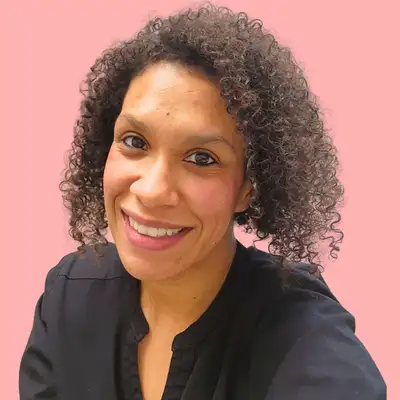
what are you all about? Hey, my name is Israel Johnson.
I am a licensed direct entry midwife
and certified professional midwife. I live in Oregon
and I'm here to support
the Midwifery Wisdom Collective as
well as Shafia Monroe and her new book.
Fantastic. Why don't you go ahead
and introduce our lovely guest. All [00:02:00] right. All right. I would love to. Today we have
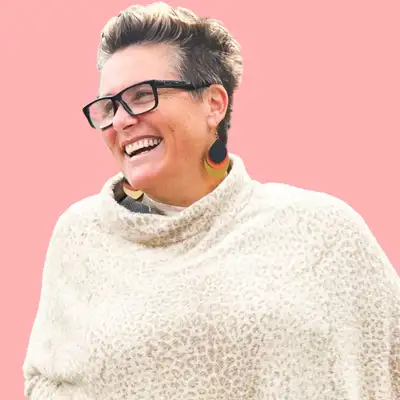
Mama Shafia, AKA Shafia Monroe. She is a renowned, midwife,
author, and cultural historian. She was the founder also of the
SMC Full Circle Doula training. She's launched the first black doula training
nationally in 2002 in Portland, Oregon,
and has since trained over 5,000 doulas.
She has now just published a book called
Mothering the Mother, Postpartum Traditional
Recipes and Healing. She released this book
on January 27th,
and we're gonna get to talk to her a little
bit today about her journey
and her book.
Welcome. Thank you. Welcome back, mama Shafi.
It's so great to have you in the podcast
again, and I can't imagine that everyone
doesn't know who you are. But just in case, we are just so honored
to have you here and you have been
doing such tremendous advocacy
education work for so many years. You are an institution in
midwifery and doula [00:03:00] work.
I just got back this
morning from the National Black Midwives
Alliance fourth conference, and that came
outta my original work, the
International Center for Traditional Childbearing.
So that was amazing. We did the pinning of midwives, about
300 midwives across the nation. So that's important and that was great. The pictures in your
Instagram were so beautiful. And what a gathering. Yes. So many beautiful midwives. Thank you.
Thank you. What's your biggest takeaway
from that time together? I'm gonna say love, and I'm going to say
inspired by how appreciative the students
were to have elder midwives around
them to encourage them to continue
the journey, which can be so difficult. As y'all may know, just in its format,
the way that we model midwifery
is from a patriarchal system.
It's not from a maternal system. And so it's difficult. They needed the encouragement and
to see their smiles was very [00:04:00] rewarding. I can, I know the struggle of student
midwifery and I'm so glad that
this organization born from the
roots that you birthed so many
years ago exists to support them.
Specifically, we know that we need so many
more black and brown and indigenous
midwives in the United States, and your
work is so instrumental in supporting
that community, and I so excited to hear
that it exists and that you're doing this. It's amazing. It is wonderful.
And just really, the
World Health Organization itself said
that we need 1 million midwives of all.
Representation. Definitely. We're just short midwives. It's just really,
we are short midwives
for sure, but in the US like two to 5%
are only identifying as non-white. So it's like crucial in the US So it's so exciting. I just wanna honor, your
work so tremendously. Thank you. Thank you.
And I think that's a great segue into the book. Israel was showing me she has
a signed copy from you, [00:05:00] and I just, I wanna hear all about this.
Tell us about the birthing of this creation.
The book definitely, I tell people right
now, I'm still in my bonding stage. The book.
I've used it as a maternal, as being a mom.
Because I had a, preconception, I got
the idea, then I had to get
pregnant, and carry the
idea and get it to grow. Then I went to labor.
I had to write it. And that labor took about, at least
two and a half years of to write it. And then of course the birthing.
And once the book got done, to be honest,
I was not even excited till have gotten
launched, even though they said it was done.
The publisher did all kind of good ideas. It is done,
but not until it really I'll be
honest, the day that I had the actual
book signing on January 20, I think
it was January, was it January 31st?
Israel was the actual book signing, I think the 27th.
January 27th. Thank you. Okay. The 27th was the day, and that's when
I felt like the book was really real.
But the book is such a big deal, you all,
besides the fact the cover is so gorgeous
and it really represents what it [00:06:00] means for
African American healing to see this beautiful
woman with this beautiful ball gown on and
this beautiful hat crown being surrounded by
people with someone holding the cast iron
pot with the collard greens and the pot liquor
for the iron, and someone holding the fruit
and the woman holding water for libation.
You know how water is so important that
African American community for many
spiritual reasons and just I don't know if
that's, I don't know if that's her father or
husband, her partner, but someone has this
shoulder and she's breastfeeding and they're
all faceless, but they're all black representing,
African Americans across the diaspora.
And even the artist, it's pink
because, peach is a big color in Georgia,
just the color itself represents itself. So excited about the cover,
love the cover, and the book came because
I had been teaching, as you said, doing this
work for over 40 years and in the last, I guess
10 years, really focusing a lot on postpartum
care from an African American perspective. And people are like, oh, mama Shafi.
Like, where's this information? Besides taking my course,
how, [00:07:00] where's the PowerPoint? Like a PowerPoint. This needs so much more. So I wanted to write a book. However, at the same time I keep a diary or
journals and I was, and I keep, I'm reading
it and it said 2015, I wanna write a book.
Wow, I put that book, 11 years ago. What a full circle moment. Yes. Congratulations. It is like a birth itself. You created something and
now it walks in the world. It does. I know Israel, you've gotten
a chance to peruse it. What's your favorite part? Ooh, the whole book, girl. Oh it's absolutely amazing.
The book, it's not just. A reflection of our traditional history
and giving people, the tools they need
to learn about how to create that sacred
space for themselves postpartum. It's also includes the traditional food
and the healing and the laying in and
the belly binding and the bone closing.
There's just, it's like a [00:08:00] full circle. I feel like the book embodies a
full circle, like her doula program. Because it's just one of those things
where like people will be able to read
this book and find the information
that they need and that they can
clinging to and see where the tradition
started and where we really went lost.
I think that was something that when Shafia,
you mentioned when you wrote the book
that you kept having people coming to you
like, man, we need this in a PowerPoint. We need this tangible. I think that was also a
moment for you to realize. Which we all do, how important it is that
these mothers have this information and
where they're getting it from, and that there
isn't enough knowledge being shared on it.
So this book gives everyone a tangible,
we can physically hold this and share
it with our mothers, our community. I think that's what's so beautiful
about, it's just, it's for everyone. It's for every postpartum mother. Absolutely. Thank you. You're welcome. So beautiful. [00:09:00] So Sophia, it's hard to pick out the parts
you might love the most, but maybe to
really move you the most or what
are you so excited that you're
able to share in this medium now?
Any specific examples? I think, I love the love letter to black
women, to black mothers in front. I think that black mother, as I
said in the book historically, has
been traumatized in this country. We were never allowed to
even be mothers, our children. Taken, it says one line that I really like, where
our children were sold off our breasts.
That's so powerful statement. Imagine someone's breastfeeding
their little baby and someone
has the right to take it from you. And that is what happened. So I think, the trauma of just us being
able to care for each other, not being
forced to go back to the cotton field,
15 hours after birth, not being that
tender care that we gave each other.
So I feel like the history to understand what
we have endured, I think people forget. I think even the African community
forgets what we went through historically
and how that impacts us today. Besides the fact of the, [00:10:00] Sheppard-Towner Act eradicating midwifery, the
black midwives were the ones left
eradicating that, and we lost all that.
But even pre that, just
how hard it was to mother. And now we have the chance to love
each other and go back to our natural
inclination of being able to rest and being
served and being rubbed and being talked
nicely to, and, having that baby stay near
us and going back to things that we knew
were part of our culture pre enslavement.
And so I like that undertone. The book. I love the fact that I talk
about the food for anemia. I think that anemia is not a discussion
that's really taken seriously enough. And unfortunately because of
fibroids and other things that
happen for, African American women,
there tends to be a higher rate.
Of being anemic and us not
understanding the long-term impact. And just when I did the
book, I learned so much. I forgot about, the depression
that comes from anemia. Wow if we're anemic, maybe
it's not postpartum depression,
maybe it's just, being anemic. And we, if people take enough
iron, they may not [00:11:00] be, we may not
see the amount of depression.
America is anemic because just, we're
not really conscious eaters anymore. We're just eating. So I think that part was fun. And of course, I love the coconut cake. So here's the thing. I went to California to do a book signing, and
they hired a chef who made the peanut stew
as a sample for over a hundred attendees.
And she made the coconut cake
and she made the dandelion tea. So I'm drinking the tea oh
my God, this tea's great. What is this? Like that's your tea out of the book. I was so proud. Aw. Oh my God, this tea's delicious. So the food is good. The food is so good. And my husband and I have been really sick.
We made the coconut. Shrimp soup and we didn't, postpartum,
so we're making the soup 'cause we're sick. And we drank it a couple of weeks
ago and it really made a difference. I think it's that cayenne, those two teaspoons
of cayenne really racked this cold out. So I love the fact that people can
find traditional foods that our
grandmothers used to make or our
great-grandmothers used to make.
And you can remember, let's make us be
hydrated again and bring back nutrition. [00:12:00] And I just want, mothers, pregnant people,
new people to really be celebrated because
I, being a mom is such a big deal and we
just don't honor it in this country at all. It's just oh, you had a baby. Oh yeah.
Okay great. And after the next conversation. So I love the fact that moms have the right to
be honored because we used to honor them. It was a time that you got to
be taken care and loved over. May I read a section out of
the book for this moment? It's perfect.
Yes, please. Page 1 42 nourish your body and soul. Shafia says, be mindful of what you
consume and where it comes from. Food receives its strength to sustain
life from minerals and the soil and the
sun's ray, which allow the plants
to hold energy at the molecular level and
create chlorophyll, which brings health
to the human body, including iron food,
sprouts from the womb of Mother Earth.
It is her medicine to the world. Our job is to honor and protect
our health by respecting food and
being [00:13:00] intentional about what we eat. So it is embodying, I think,
like you said, the traditional. History of African American food and
especially in America, how we can replicate
that and how we can postpartum get
our moms to eat those warming healing.
Like you said, the herbs that sometimes
go in them eat too are what is
healing the body from the inside out. It's beautiful. Beautiful. Thank you. You read it well. Sounded a beautiful wow, I wrote that. Oh yeah, you wrote that girl. Oh, yep. It's beautiful. Was Sophia, one of my favorite definitions
of a midwife is most simply a change agent.
You embody that so tremendously. Could I ask you for people that might
not know all the things that you've
done and all that you are, what are you
working on changing right now and
what are you really proud of having
[00:14:00] seen change in your 40 year career? Let's see, what am I working on changing?
I think I'll go back first
with what am I proud of? Yeah. I am proud that I am a God conscious
woman, human being, and I'm proud
that I was able to recognize my calling
to be a change agent at a young age. That through my parents as my books and
my parents taught me that when things
don't look right, don't complain, try to fix it.
And that when I saw that, there
were no black midwives in
Boston, Massachusetts, and that. Black midwives not being elevated. Though I knew there were black midwives
long before I was born, we didn't see them. And I think my work has been, because
there were a lot of black midwives, I don't
wanna take credit, were many black
midwives organizing in the country in the
seventies, but because I created a nonprofit.
I went into the assistant and legalized our organization,
put us on the map 'cause
people could find us. And I was able to really uplift
black midwives across the nation. And when I go to the [00:15:00] meeting last night,
when I hear we have our first black
a c and m president in 2020, I feel proud that I
know the work that I did collectively with
my peers made that happen because we
addressed every midwifery entity, whether
it was MANA or ACNM.
We were at every table, often
uninvited to say that what's happening 40
years ago was not acceptable. And this how long it takes change that finally. 2020 is the first black president,
now there's a LatinaX president
and slowly there's been a shift.
So I'm really proud that there's been a consistent
system that we have done. And the fact that we have a
National Black Mothers Alliance, A five, oh,
I wanna say it right, 5136, a membership
organization shows that the plant that was
planted, some years ago, it never went away.
It was under the ground,
being watered consistently. And now it's sprouted.
Now, African American midwives or black
midwives have an entity they can look
at, where they can feel comfortable,
where [00:16:00] they're at the center and the
stress is down when they come together.
And so I'm very proud of that.
Beautiful. And then what are you working
on changing now, either in a very
local way or in a systemic way?
What is your focus now?
I would say that I'm still working on us understanding. The book just came out less than two
months ago, so almost three months. So I'm really still working on just people
knowing that African American postpartum
care exists and how they can reenact
into their lives into their family's lives.
Because we know we have the
high maternal mortality rate,
which really is not about the book. The high maternal mortality rate for
black women is really about systemic
racism and the healthcare system. But I think the book will
allow us to just value ourselves.. And so I wanna work on just,
moving this forward so that every
young person has this book.
We're learning late. [00:17:00] This, but just imagine if you knew
this, if you knew this at 16 or 12. So once you get,
when you get pregnant,
it's not a conversation. You already know that you're
gonna have these things done. Your families already know
how to take care of you. We have grandmothers telling 'em, emailing
me, saying, my daughter's pregnant.
I wanna know what to do because we lost that. They don't know how to help their
own daughter, or, the partner. I don't how to, I don't help my loved
ones, so I just want to, i'm working on still
changing how maternal mortality looks. So right now we're talking about it
and it's very clinical, we're glad that
Medicaid has allowed more visits,
but more visits is not postpartum care.
It's clinical. You have a new mother coming in. Day eight to check jaundice
or to check incision. We're saying stay home. We're saying lie in.. She has to get in and go out, sit in the
hard chair, not be given any
food, not help them out of her car. So even though we're doing
that's really not postpartum care.
Okay we
got more visits happening, but we're
not going to people's homes to provide that care like we should be. So I'm working on that still, and
I'm working [00:18:00] on
getting rid of the word patient for pregnant people. We are not sick. Yeah. So I'm with the nurse midwives, they're
same patient and the other midwives
saying client, I'm saying family.
So getting getting common language
and getting rid of the word patient. So yeah. And getting rid of the word
BIPOC, that words drive me crazy. Tell, will you tell us why. I think for African Americans, we
worked so hard for identity, we came. But we came from tribes.
We had names. America took our names,
they took our language. Then we were just, the N word. And then we became color, then we
were negro, then we became black,
then we became African American. But we're the only group that
always has to keep re-identifying. So now when people say BIPOC,
they think of black people.
But it's supposed to be, they're not
thinking about indigenous 'cause. Indigenous don't. They don't. They don't call themselves BIPOC. I've been looking through literature. It's coming back to another word,
another subtle word that means black. Just like women of color. Women of color is not black. Black is black.
Women of the color means every color. And once again, I feel like we're
being lost [00:19:00] in the sauce and that. That bothers me. I feel like we need to have a
strong identity and not just being
renamed and reading books. Oh yeah. We have a BIPOC leader. What is a BIPOC leader? Is that Indian? Is that, biracial?
Is that black? We don't know. And so we're losing our identity with
that word, and that's not okay for me. I so hear you. It feels like another subtle way of othering. Yeah. Really, it's just saying not white, which
is not at all an identity, but it's also, but
it's also saying, it's also, I feel, I'm gonna
ask Elizabeth, both of you, when you
think of BIPOC, like what comes to mind?
A black person, an indigenous person
people of color, what comes to your
mind when you hear the word BIPOC. Yeah. I would say it is very identified with
replacing black culture now in my mind. And and that's not what
it was intended to do. And it exactly, it actually can make
people feel like they're erased again.
It sounds like. That's, yeah, I terrible that. Yeah. Yeah. Why did it have an unusual label? Why it to be a BIPOC? [00:20:00] Why can't this be a black woman? Or African American woman. Navajo, they common themselves. Navajo, and Mexican call themselves
Mexican and people who are Viking or just
say I'm European America, white American.
Why did it always have a title that makes
us not be a person, like a thing? What is a BIPOC leader? I have no idea what that is I have what
a black leader is, but not a BIPOC. So that's my, that's what I'm working on. I feel that the terminology that I think
we hear words that somehow post to
mean and wind up being used against us.
And so in 15 years from now, we'll see a
BIPOC, which is like a horrible name to
me as a black woman or a black man or a
black person, and not as, just as a person. It's another thing, it's another title. It's not really a human visualization for me. Yeah. Yeah. I agree. I think it very, feels very much so like
a, like an umbrella and like a statement
and it just feels like you're right.
They're taking away individual identity by
throwing all these identities in one name. Yeah. Yeah. Don't be [00:21:00] so lazy. That's why don't be so lazy. No, just say I work with the Latin woman.. I work with the indigenous one. I working with the black one. I working with the white woman. Yeah.
As Erykah says, get rid of the words. Because first of as we know there's only one. It is a human race. Yeah. We could not intermarry if
we were different species. A dog and a cat cannot make a child. So we are the same. And that we have to understand that
this whole thing of a race did not
come from African descent people.
It came from European people as a
structural way to keep power and by,
consistently making up new terms. We just buy into it. We have to get to the point where
I have a human being at the table. What a nice concept. Yeah. Yeah. Beautiful. Yeah. Thank you so much for
being such a truth teller.
I, I feel like every conversation I have
with you is just like the clouds part,
and there is just clarity and truth,
and you're such a light bringer. It's the way that you say
things, it's just so obvious. And I hope that people
listening feel so inspired by you. It's so inspiring. [00:22:00] You do so many things.
Just reading your bio is
like a trip and amazing journey. Mother of seven.
You've started organizations and
nonprofits have a master's in public health.
You have so many loves. My friend Penelope from Hawaii
loves come and garden with you. I know that you have a tremendous
garden there on your property.
Thank God she's on her way. I can't wait for her
to get, I need her help. I've been so blessed by her. It's so kind. She's an amazing she just
appeared on Instagram. Can I come help you? Who is this lady? Yes, you can help me. I love that. She's so amazing speaking out. I hope you get to meet her.
Yeah. Yes. I love that. I would love to. I will come help in the garden anytime. And that actually brings me into my
question I had for you too was speaking
of herbs and the traditional medicine in
your book, if there was two herbs that you
would tell all mothers that they should
have on hand, what would they be?
Mint and catnip. Ooh, [00:23:00] beautiful. Ooh. She knows right away. Tell us. Yeah, tell us more. Why? I think, having a baby puts the
body at a really heightened state
because you just, you're very excited. I wanna say again, too,
for black mothers,
we're constantly subconsciously hyper
vigilant because this, the, what we're
hearing in the atmosphere, I'm unfortunately
about what happens to our children.
And so the mint keeps the mother
her stomach calm for good digestion,
and the catnip is the nerve being that
keeps her just relaxed and settled. Yeah.
So those are two important. It's important that new
mothers are settled and quiet. The granny midwife would keep the
room like a very low light in the room
so it wouldn't be too bright so she could
rest and they would somewhat even
And the goal was just to be with the baby
and create that womb like environment,
they kept the room warm and
they kept it dark and they kept it quiet
was a sense of, she needs to be remain calm
so that catnip tea was good for the baby.
But also good for the mama. I love that
for the midwives listening. I've used that before [00:24:00] for myself when
I'm laying down on my body so tired,
but my brain is just spinning, right? Because it's such that
nervine quality is so calming. I love that.
Thanks for sharing that with us. Yeah.
Herbal medicine, we just have a new herbal
medicine course that actually just launched,
and it is such a rich and deep topic. Like probably we could all just share
tips and tricks forever because it's such a, it's such
a lived experience, right? It lives in your body and then we
pass it on and I just, I'm just so
enamored with you having passed on
all of this wisdom in a book format.
I'm so excited that this exists in the world.
What has been the feedback? Have you gotten to hear some
people like Israel talk about being
exposed to this body of knowledge? The feedback has been beautiful,
emotional, and I'm so grateful to the
creator that I was able to do this. I did it out of love.
Absolutely. My, the book says, [00:25:00] I dedicate the book
to my mother who read me bedtime
stories, who taught me the love to
Reba also taught me the important
things need to be put in a book.
And this was something important. And I wanted something to be
here when I'm no longer here in the
physical form that people can find
out what would Mama Shafi say?
What did Mama Shafia do? What did our culture do?
And so now, like you said it's in
a format and the people have
been saying like, oh, mama Shafi. Oh my God,
I feel seen for the first time. This book has changed my life.
This book is a life changer. The words have been unbelievable.
Unbelievable. All amazing. I'm so happy that inspiring people. Inspiring. Yeah. That everyone has, that, all that
have given feedback have all
been a hundred percent positive. Just emotional words. That is what they needed. They're saying like, thank you. Someone, I have a couple lies that
people actually talking on Instagram,
thanking how the book made them
feel like they're crying when they
read the love letter to black mothers.
That they brought tears to their eyes. [00:26:00] Yeah, so it's been great feedback. It's so needed. We didn't have a book you all,
we had Ayurvedic medicine. That's great. We had Chinese medicine,
we had Mediterranean diet. Yeah. We had Celtic salt. Anything but nothing about African American healing. Like we've been invisible yet
we built this country. We breastfed this country. Yeah. We garden this country, we provided
postpartum care to white women
in the big house who want us over
a white doctor 'cause the, because
of the kind care that we get. But yet it's nowhere documented. Like we didn't do anything. And I'm like, I can't go out like that.
I have to make sure that my people know
that we have a power to be proud of that. We have been helping each other
for generations and others as well. So the book was so important for me. Not just about so much of the legacy, but also
to give black women a face in this world
of midwifery and postpartum care.
'cause it, we have not been really
mentioned anywhere, with all the
things going other than dying. That's all they talk about, but not our thriving
and how we take care of each other and
how we showed up for each [00:27:00] other and
how we make sure that mama rested.. She didn't bleed to death. She didn't have, the midwives would walk
out the house, doing the postpartum care
They would trim back and
say, stars, for hypertension, you know that
they would see stars and they would say no. They would know. They knew what, that, it was dangerous. At that time, in the 1920s and people
are having, 10 to 14, 17 children often
back to back with that boggy uterus,
they knew to wrap the stomach.
They knew you had to lay still,
they knew that what was at risk. So that care was highly in tuned of
what happened physiologically, but also what's happening spiritually. Your body's left, your body left the other side to give birth. We gotta bring you back and it takes time. And so those 42 days, now we know why was the 42 days?
We didn't know the cervix closed 10 days back then. Maybe they knew that you just took six weeks. So I talk a lot about the postpartum care also being a physical time and focusing on the first 42 days. So though we know that postpartum care should go for at least a year, depending on what, part of your ancestry.
Some do three months out [00:28:00] of Africa, some did a year. But in America we focused a lot intentionally. The intense part was the first 42 days where you had to lay down and me still and take these soups and we now know. That this is a higher time of postpartum mortality. High in pregnancy, first day of delivery is high, zero to seven, then seven to 42.
And so be careful that whole zero to 42 in this book. And making sure that because you have a good, if you have a good foundation, you're loved, you're rested, you're fed, the rest of your postpartum care should be okay. But if you are up on day five and working and dehydrated, we can't expect you to feel good at three months, six months, nine months, 12 months.
So I feel like this is like the nucleus of we're gonna we build here and expect a continuously good outcome thereafter.
Brilliant. It was exciting to see the foreword in your book written by Erykah Badu Oh my God. Who's also one of your students. So tell us about that amazing [00:29:00] connection. Had a conference years ago, I can't remember what year it was. I've always wanted Erykah Badu to be I speaker because she had a home birth and I, a home birth midwife.
I wanted her to come speak. So someone introduced me to her and she came and spoke and then she, we got to know each other and we, she was already being bad doula, so we gave her some other information under the SMC full circle doula training and Emmanuel. And we had a mother come in to one of our conferences with some midwives who helped her do palpation and do fetal heart rate with the fetal scope.
And I sent her a purple fetal scope for part of her her midwifery interest. So yeah, she took our training and she said
she would write the forward
and she did. Wow. And we did a live on Instagram.
Not yeah, Instagram a couple weeks ago.
So you might see us here speaking. Yeah, I did see it.
And she wrote, it's a sisterhood, it's a childbirth,
it's a ceremony, it's a spiritual walk. I had some very
talented and patient mentors,
one being Shafia Monroe, and it's just so inspiring.
Like [00:30:00] it must be so amazing to pass it on,
and then to see her passing it on and just see
this lineage coming out, yeah, it's beautiful.
I also was watching the live you guys had,
and something that I love that she said and mentioned
about the book was that Erykah called it the postpartum Bible. Yes. And I was like, absolutely. It's absolutely, I think it, it really
helps paint a picture of what postpartum
is truly supposed to look like.
It shows what thriving families should look like.
So it's beautiful to have Erykah Badu too,
to support you and your book. That's a much honor.
I wanna say too, she also mentioned, I believe
that this book is for the mother and the baby,
and I think in this country, I'm hearing a lot about
some type of rival between the baby and the mom.
So weird. It was just focusing on the baby.
No one's focusing on the mother, it's gonna focus on the mom.
But the book talks about, in our culture, they're a unit,
they're a dyad. You focus on both. It's not one or the other.
They both are connected. They both make each other healthy.
Mom, baby gives mother oxytocin [00:31:00] and mama
gives baby want and life, and you don't separate them.
So it's not one or the other. So it's very much I try to not
try to edit that in the book a lot. And I love what
Toni Morrison, the famous author says, it's not a competition.
You can do both. You can have a career and still be a mother.
It's not one or the other. So I really try to put that in the book for women
to understand that you can have a baby
and have a full life. It just doesn't take away,
and if I come hold your baby,
you're not being a bad mom. We expect someone
to hold a baby that you can sleep.
And that's also in the book of how the friend
will hold the baby while the mother sleep well.
You don't have that. The baby tie it on you 24 7
when not a kangaroo, we're it stuck to you?
We have arms of someone else that we trust.
She'd hold a baby. That's part of the culture to give mom
a break and she's a good mother by allowing that.
Gosh. Yeah, we should just say that again for
the people in the back this is so important, this
treating it like there's some inherent competition
between the stages of your life or even the mother
and the baby is actually so [00:32:00] patriarchal. Like it's missing the truth here.
Yeah. We are multitasking goddesses, right?
Like women came, do it all. Exactly.
We wouldn't have shown if we weren't
capable to multitask, we wouldn't be able to, nature
makes you do what you're capable of doing.
So we would not be birthing
if we were not capable of doing that.
And still doing something else,
but I don't know where the piece came from, where people say, I'm just gonna dual the mother and neglect the baby.
Yeah. Where, who talks about that? Yeah. I don't get it.
But anyways, or vice versa. Yeah.
We just think that the mother is the container
to deliver the baby, it's so madness. Yeah. What were you gonna say, Israel? I was gonna say, I remember it's been a few years, we had
a conference that you hosted, and that was
something that really stuck with me.
It was like a, you made like a, an example, like a chart. It was like a paradigm
and it had mom, newborn and midwife. Yeah, midwife. The triads. Yes, the triads. And how when we're called to this work,
some of us are more in it for the mom.
Some of them are more in it for the babies.
And I [00:33:00] love that Shafi has made that book that says,
no, this is mom and babies. The whole time we're pregnant,
we talk about how they are a, it's like a dance, they're in this together,
this they're, it has to be the two of them. And so to be able to balance that in this book and to be able to, clearly write
out how important it is to have the support
from your people in your village and
your support system, but also.
Still focusing on the needs of the baby. I see that a lot myself as a midwife today.
I see a lot of families that come over and they
say the same thing. They'll say, I just wanna hold the baby.
I just wanna hold the baby. And sometimes I'm a little bit more like you're, I'm more like kangaroo mom.
I'm like, put that baby on your skin. Because though
we see those moms, it's mostly because they're up out of that bed, they're getting outta the house, they're not lying in. And sometimes that's
a little trick to get them to lie in is, wrap that baby on you.
And then when you have the people come over, give
them a job and a chore to do, whether that's cooking, cleaning, helping you
with the dishes or doing [00:34:00] errands.
And then of course, yeah, when mom is overwhelmed
or she needs to take a shower or go to the bathroom, absolutely.
Have someone there that you trust and that
baby can feel comfortable with too. And that can be helped by them because,
I also have seven children, so people ask us all the time, how do you do it?
What do you know? And it literally takes us as a whole.
You just fill in the gaps from what
everybody can do individually. People always ask how, what,
how do other kids not get jealous? It's about including everyone as a whole. I tell the other little kids, I'll sit on the couch and they can sit
and hold baby with me, or they love being helpful,
getting diapers and wipes or
bag throwed away in those kids.
They want to be involved and the more that we like,
push them away from that or make them think
that they're being too rough with those babies is
what I think causes that like, jealousy. So it is, it's a very
very big balance that you have to create. It's very gentle too, to be able
to teach folks that mom and baby are still a [00:35:00] unit.
They're still a family unit postpartum. Thanks for sharing that. Yeah. So beautiful. I'd love to shift gears for a second and ask you both a question.
I have been out of the US for a decade now. I'm still deeply concerned with the state of midwifery and the state of maternity care, but I'm much less in touch.
So I know that Israel, you've lived on opposite
sides of the country. Shafi, you've been in many
different places in the country, and you represent, you bookend our generations of midwifery, Israel, being a new midwife and shafia
with your incredible wisdom and years of experience. And I would just love to have
both of you reflect on what's happening across the country
what you're really excited about for the profession
and what you're really worried about from your two different experiences.
Sure. Mama Sophia, you can go first if you'd [00:36:00] like. I would say what I'm excited
about is that I'm seeing CPMs, traditional midwives and
certified nurse midwives working to communicate,
to create one midwifery and one thing about
the International Center for traditional childbearing,
our conference was always called
Black Midwives and Healers.
And what we were known for is that every
educational track to midwifery was
always welcome into our circle. We didn't say only nurse midwives,
only, CPMs only outline. We said that midwives and midwives,
how they get there are different educational tracks.
And so of course there's been a lot of
historical trauma to the traditional midwives,
AKA granny midwife, or even, indigenous midwives
where they are no longer at the table.
And so now they're slowly real, real slow.
Coming back someplace, the conversation. So we have
a lot of bills in the nation that where the
CPMs is not passing. 'cause some of them refuse
to go forward without bringing their
traditional [00:37:00] midwives with them. And I'm hearing more c
them saying that we need traditional midwives
because we don't even
know how to do a breech
or external aversion.
They still hold some of the things that
we were not allowed to do if we lose them.
Then we're gonna find and lose what little
bit we have left a really normal full scope midwifery.
So I'm excited about that. But I'm still concerned
that the country itself, people still don't
know what midwives are, that there's so many
midwifery practices. I talk about the CNMs
the big institute, they're closing down their nurse midwife
midwifery departments that people cannot get midwives.
That there's so many states where CPMs are
still not legal and not getting good pay. And again,
that it's the elite group that you think of OB
and everybody knows what that is.
But you think of midwife people still saying to me,
I'm in Hampton at the conference, I'm getting a
ride from this young African American guy who's
getting his master's. And I said, we're midwives.
He's what is that? Like a pediatrician?
So it took me a minute. They try [00:38:00] to explain to what we were,
and so the fact that we'll still having
these conversations is a concern when.
Women are dying. And when I do my SMC doula training,
I think one thing that I'm very proud of
that our training is built on the legacy of the
black midwife of the 20th century midwife,
which means that all of my doulas have to know
what ministry scope of practice is. And they have to also,
not so much a promise, but they're taught
that have all your clients, if they can switch to a midwife
at any point in their pregnancy, any midwife,
if they're in a hospital, tell them, I want the midwife
department tell them, I wanna find a home birth midwife.
I want a traditional midwife. Because even the doulas
don't know what midwives do. They only know doctors.
And so the doulas is a growing profession.
So make sure that they know what midwives are
they're our allies. They're the ones that could
tell their clients that, oh, you should get a midwife
and here's why.
And I give them statistics. It's a better outcome,
less prematurity, less low birth weight baby,
better breastfeeding, less postpartum
[00:39:00] hemorrhaging believe it. So they don't know that either.
And so I think the fact that
the education
is still at a two is just very concerning. Yeah.
Yeah. So that's due to the patriarchal system.
I told people who runs OB are the same
people who ran it in Europe,
who demise the women in Europe.
They brought that same thing.
They're doing it, it may not be
burning physically, but they're deaf
and burning on the political policy level,
which is why we are still
having this conversation.
I'll leave it there.
Yeah, I think that's huge. Absolutely.
And even going off of like for the things that
I'm worried about too. It's just, it's an imbalance in general.
Like you said, there's not even enough midwives,
like, how many did you say we needed in
a country to 1 million in the world? Million.
Yeah. Yeah. In the world. In the world. So I know that has,
that, that's like for me, the worries really start with that. Like how do we get
and make more competent midwives and especially midwife. Black midwives, indigenous midwives. We need people that can [00:40:00] relate to people in their background, speak their language.
I couldn't imagine I always hear this as a midwife and recently as graduated people were so concerned. I'm black too so concerned about there's not enough black midwives. There's not, enough. But then I'm, I've haven't met a Spanish speaking midwife since I've been in practice.
I haven't I know that they're here in Oregon.
But back where I lived in Kentucky,
we just didn't have a big diversity of midwives in general.
I even lived in Kentucky. Frontier Nursing is one
of the number one nurse midwifery schools in America.
And I think it's 85% of those nurse midwives that graduate.
Leave the state of Kentucky and they get out
of there and they find somewhere else they
wanna practice. I think that midwifery just has a
lot that we have to do on, like you said, even a
political level to be known. Insurance companies
are also confused like a midwife.
They're compensating doulas for more money
than they do sometimes the midwives.
It, that doesn't ever make sense. There's just so much [00:41:00] of it.
The continuity of education from coming from
that part of the system. You have a couple different routes.
You've got your traditional route, you've got
your like the pet process, and then you have
your MEAC accredited route.
When I was going to college I started in 21.
There was 11 MEAC accredited schools.
I now believe there's five. Wow. They, there's half of that many.
They're they're hard
to stay accredited. And then don't even get me
started on black midwives
in that dang NARM exam.
That would be a whole podcast on its own.
I can't figure it out, but I can, I do know that there's
a huge imbalance of passing rates for the
NARM exam for black midwives
to become a let's do that podcast. Yeah. We need to do it.
I have an arsenal. I have an arsenal. I definitely
think I can see where some of that stands.
And I think a lot of it comes
from the continuity of education. We don't have enough
preceptors in America, preceptors that we have
just saying mostly white. So there's not enough diversity
in the preceptorship that causes [00:42:00] systemic racism
that causes people to not get the continuity
of their education so that when
they go to take the test, it's been broken.
Whereas their counterparts are getting full fluid,
two year program, they get it done
and then our counterparts are,
it's taking four or five plus years,
and then they wonder why we can't pass it.
So yeah, there's a lot to be
worried about in the midwifery
world and in the future of black and brown
mortality rates and the history of, like you were telling me
earlier, just people having babies
in other countries, like you said they're at
a risk of even losing their population because
people aren't having babies enough.
People are afraid to have babies. And especially I feel,
'cause again, I've got young kids and just in the
last few years since I was a kid, I have seen
the way that children now don't get excited
about starting families. The same, it's scary. It's too expensive.
There's not enough support.
We've gotta, that's just such,
so many foundations we have to fix to help people
feel more safe and protected
to have children in [00:43:00] America.
And there's no joy. There's no joy
having babies. You don't get, you don't
get treated like that. Cover the book. You know how the queen,
it's oh, you had a baby. Why are you telling.
Yeah. That's literally your book says,
I was reading that not long ago. It was talking about how after
you have a baby, it's like, Hey, you did it.
Congratulations. Now go home. Bye.
And nobody's there to, you don't get celebrated the
same or like we said earlier, people celebrate the baby
and they completely forget about the mom.
She's just sitting there crying while
everybody's oh, how cute. Looking at their baby
and not even starting with.
With the family unit in, in, and the country
has gone to animals. I'm sorry. We have every
commercial is a dog wearing a mask, pushing, they the dogs
are selling mattress. Literally they're selling everything.
Yeah. Somehow the Dalai Lama said he came
here I think almost 15 years ago, and he said, what is that?
America loves animals and not children.
And that state, in my mind, we'd rather have
five dogs than to have one human being.
And that's the problem. This country is not itself as a society.
We don't Reverend Life, human life.
We want [00:44:00] to, the book says, oh, have a dog that's
gonna make you healthy.
It doesn't say, have a baby's gonna make you healthy.
It's all about get a pet. And so anyways,
I can go on and on about that. But I think the other part
that I'm concerned about, we're no longer nice.
When you read about the Black Midwife,
she said you had to have humor and patience.
And when I became a midwife, I was talking at the conference,
I was so fortunate they had 25 midwives
and they went around elders saying how they got involved.
But Maestro was, and how they got trained.
But I was fortunate. I had all black trainers. I had two, three
women from Alabama. I had a black midwife from Ghana,
one from Congo, a dark skin Pakistani woman in a dark skin Moroccan doctor is,
I never suffered from the things
I hear my colleagues talk about, the racism.
I was surrounded by love. We spent the money.
We would go after birth, talk and laugh over dinner
with our birth high. We could call each other. It was never I'm afraid if I would call,
they talk about me. It was just, and so midwifery is not nice.
It's not nice anymore. We're using this thing where,
again, this medical model work your,
you work your [00:45:00] midwifery soon to death.
Don't pay her, make her pay you. How does that bring about
love of a family when you're not even training? We're not even training from place of love anymore. It's just a mess. So that's the problem.
In eight years, you might have been
an obstetrician six years to be a midwife.
Two more years be an OB. You don't need that much time.
It's just not a good system. And nursing has to do with it. This whole thing
about being a nurse first and now they
have to have a PhD to be a nurse midwife. Even they're frustrated. First was the LM,
then it was, the CPM and then it was the associate, it was the BS. It was a BSN,
and there was the, and that was the PhD.
A PhD is great for science, for researchers.
Not just make you a great midwife. It's too much numbers in your head.
It gives you too much
fear as far as I'm concerned.
So the whole thing to be,
we need to break it down, rebuild it. Yep. It's,
the system is not working for us. It is broken for sure.
Yeah. Yeah. I think so. And it's built off the wrong concept, like we said. Exactly. It's not, it's definitely
not built for the mamas and
the babies. It's not built for women. It's the male [00:46:00] models. That's residents. Yeah. Stay asleep there with your clothes on.
And even doing births at li by yourself.
I tell the women midwives and doulas we're flock.
We're flock people, female mammals. That's why you see horses running hers. Everything. Female works as a collective.
We're the only ones that are doing birth by ourself. When in fact should be several midwives working together,
laughing, eating, drinking, not alcohol, but drinking food.
Drinking to be together. While they're doing the break.
But not this, just you by yourself. That's not our model.
Of course, you're exhausted. Everyone's burnt out by year eight.
Doulas and midwives. This one person with
someone for five days, nobody does that
in the real world's. A bunch of 'em is singing.
We're a collective. Give us enough money so
we all come together and help each other out and
we, and have a good outcome and
leave loving our work so we can ready
to go back to the next person. Everyone's so burnt out..
It's so sad. Oh yeah. I know. But I just wanna cheer for your words.
Again, Shafia, you're just so inspiring. Thank you.
We are a collective.
I resonate so completely with [00:47:00] that. Israel,
did you have something that you, that is working well,
that you're excited about? I know that, you're a new midwife,
but you've been in birth
work for a number of years, yeah.
There, there are some really good things too going on.
For sure. I feel like COVID really brought
out a huge awakening for people.
People went through COVID and
then said, oh like Shafia said earlier,
I'm not sick. I'm not actually sick. I don't need to go to the hospital.
Moms, I think families just in general, were like, hospitals
are where sick people go, and I don't
wanna put myself in that situation.
So I really think that honestly, COVID really highlighted
the beauty of why home birth was important and
how you can be safe at home. I'm a little bummed
out that I didn't feel like it lasted very long.
I think that riled up consciousness happened
for a couple years, but as soon as people started
taking off the masks, it was easy, right?
For people to just go back into that, what they knew.
And people started going back
to the hospitals more. But it was nice to see people
starting to learn more about, midwives
and doulas during that [00:48:00] time.
And I think that also, like Shafia said, it was, it's hard
when people don't know what a midwife is,
or they get confused sometimes
between what midwives and doulas do.
That I think all spawned from people getting
a little bit more educated about it. Now we have to
figure out how to make that
education more robust and correct.
And then also, some things that I really
love is so in Kentucky we've worked
really hard for the last few years to finally get
insurance to pay for out-of-hospital birth
and to establish a birth center in Kentucky.
It's only one of eight states that still
doesn't have a birth center, which is crazy.
So they're working on it. This year they did pass a bill
that they should be able to start getting
birth centers established in that state.
They're still working on getting insurance
to cover out of hospital birth which I think.
Is really good that they're trying to get it done.
Because yeah, that's something huge.
Now, living here in Oregon, seeing that as an
option for folks that need it with that financial,
that need, that financial stability, seeing that they
have a [00:49:00] program that's you can, you should be
able to have the choice to have a baby
anywhere that you feel comfortable. And so knowing that
the system is working towards getting that as an
option for everyone is where I want,
is what I wanna see in the future.
And then, I think that just in general
the education, the continuity of care
is becoming a little better. I love I think though,
like what Shafia said earlier now that you said it that way,
continuity doesn't just mean more visits. But I have been seeing that
be a thing and that, so I think it starts there.
And so getting in those more visits and then
during those visits laying down the tools
that they need to continue for those first year
at least to be stable, even without
us there as doulas and midwives. Yeah, I think that there's a lot of potential
in the midwifery world. And just in the birth working
world in general, like I, I see it a lot.
People are trying to take control of
perinatal mental health. We're trying to make more tools and resources for folks to get help postpartum and during pregnancy. So I just wanna see more of
those keep [00:50:00] growing. So inspiring. I quoted,
go ahead. Yeah, I was gonna, I was gonna say,
and with that too, we did talk about,
not enough diversity in midwives.
I will say that's probably an exciting thing I would
definitely say is like being a black midwife
is exciting because I know that
I am gonna be able to help moms and babies
and other families in the future get the care
that they need and teach them, especially
using something like this tool like mothering
the mother to be able to really lay out, like I said,
that picture of what birth and postpartum is supposed to look like.
Being a black midwife is exciting. I think that's a good positive thing
in midwifery. And in Kentucky I was, there was only a
few black midwives most of them are nurse midwives.
There were very few home birth midwives. And that seems very
similar in Oregon, which is very surprising.
I thought that we would have more,
like direct entry midwives here in Oregon licensed,
but I can understand that it's really nice that this
state also allows traditional midwifery,
whereas like a state like Kentucky doesn't. So I love that there's also the like[00:51:00]
options of you can be licensed or traditional but
I would love to see more, more black midwives
and indigenous midwives in this area as well.
Because that's just something we're gonna
have to make our futures even brighter.
Gosh, it's so exciting. I read a statistic a while ago
that critical mass or that third state of being
that we've heard about. First an idea is ignored, then it's heavily ridiculed and
finally it's accepted as self-evident.
Schumer quote to get to that third stage has been
theorized to be PI 3.14%. By that point, people, even if they
don't choose it for themself, know what it means. And so for, I'm really
excited to share that there
are now seven US states
that have crossed that critical mass number.
And that's Idaho, Montana, Hawaii, Pennsylvania,
Wisconsin, and Utah.[00:52:00]
And these are states that all have
very low in Alaska, low number of
African American people like the south.
Where we're at is where we.
Exactly. And I'm glad that's happening.
I'm in Oregon, 3% black, 4% black, whatever it is.
It's a great state. I'm benefiting from what this state does for white people.
I'm here, but in Alabama, Georgia, Mississippi,
Florida Tennessee, Kentucky, Texas, where the masses are.
Those are all, of course, they're also red states,
but those are also like, hard. But at the same time,
I'm glad to say, because even still, even with that,
there are so many black women who are
becoming midwives is really, yes.
So we definitely see a full circle. People get it and
they're doing it even though it's difficult in this state,
even though the state's not legal,
they're still doing it. Yep. So that yeah is commendable.
It is so commendable. It's so exciting.
It's something to celebrate. And I think once.
Most of the states are over this critical mass.
I think we will have the turning point that
we've all [00:53:00] been waiting for. And so I just wanted
to say the lower few states, if you live in these
states you probably feel the pressure so different
than what we're talking about in these states
where critical mass has already occurred.
Like I, I don't know about how you two feel,
but I used to also live and practice in Oregon.
And even 10 years ago, it felt like pretty much
everyone you ran into would be like,
oh yeah, I know of a midwife. I know my sister or my friend,
someone had understand what the concept is.
And Oregon sits at 2.7% in 2023 of home births,
plus another about 0.6% that our birth center.
So Oregon is just right at that level about to hit it.
But the lowest states, the ones that are still, even below 1% home birth rates is California because of the volume of people.
Even though there are quite a few home birth,
there's so many people that live [00:54:00] there Illinois,
Alabama, Massachusetts, Mississippi, Connecticut, Rhode Island, Nebraska,
New Jersey, and Louisiana.
And so if you're living in any of those states, it
probably doesn't feel like what we're talking about
because all of those states are below 1% on birth rate. I want, and I'm glad you're saying that,
but if we could just measure even how many
people use midwives peer of, I think I would love to have a full picture.
How many use nurse midwives
in home birth and birth? If we could get that it, it might look bigger.
Because a lot of people, even because I think you're right,
because so many people just use the OB in the hospital,
but why not a midwife in the hospital? Even that counts. They don't even know that
they have an option because when you call up and say, I'm pregnant, they give you the ob.
They don't say, oh, by the way, do you want the midwife department? If you don't know that, you don't get that. They don't tell you.
I've been asking that same question. I wish I knew why providers
it is a gatekeeping thing or something. 'cause it just feels like it's, yeah.
When you meet your clients, you give them
all the information, let them decide if they,
you should tell 'em like the OBS [00:55:00] will or surgeons.
You've got nurse midwives that work in hospitals.
You've got home birth midwives. You've got traditional midwives that aren't gonna carry any meds. Like it's what they want. So it's so curious. To me, I think the same, 'cause I have clients that come from the hospital to home birth or birth center. And then they're just like, we didn't, they didn't tell me about you.
We didn't even know. And that's just, it's such a
missed opportunity for, and of course
it's because it's the system. 'cause I'm just like,
why wouldn't the OBS be like you man you're pretty crunchy.
You should go check out that birth center down the street. But they don't.
Economics and power. It's just that, yeah. I'm better.
And there was a midwife problem. And the 1920s and it's still a midwife problem. They don't say that, but there is, we can see it.
It's not what you said, it's what you do. Because we're having this conversation. They didn't like midwives back then.
They eradicated all midwives. The reason why we talk
about black midwives, because of segregation. We got to practice longer,
but they annihilated the Native American Indian,
they stopped the Irish, the Italian, they knocked all that out.
We were the last to stand because of segregation, thank gods.
[00:56:00] But the point is that there's still a midwife problem. And that's why we're having this conversation until we get the powers to be like,
we look at Europe, right? We look at
Northern Europe where they midwives. I'm told midwives the norm.
Everyone gets a midwife in Finland, in Denmark and Norway or Sweden.
And so we see models that work and these
are educated people here and we see the good outcome,
but yet they don't wanna replicate that.
So it's not like they don't know. They do know.
We know we, we know. They know. They read the same books.
We know this, but yet they did for some reason.
They don't wanna do after all these years.
And I met with ACOG presidents, I was all part of that.
Running with that circle, with these yearly presidents. They're gonna support midwifery men, able fight for the conversation ACNM
they promised me to get made. We're gonna get made,
we're gonna do transfer,
we're gonna work in UN and we're gonna be partners, but this I did in Europe.
We don't wanna lose the money because I get five.
Exactly. If I get five sections and they're gonna go to this lady,
or this person's a midwife, I'm gonna, I'm gonna lose money.
Yep. And so it's not about health, it's about [00:57:00] commerce.
Yeah. Profit before people is the poison
that we're all drinking and the country's wrong.
If the country gave me enough money
to live off of, correct. We wouldn't have to have
this economic war, you both are so inspiring.
I'm so glad you know each other and you're right there. I'm just, I know I'm cheering forever. I'm cheering forever. For both of you,
thank you so much for being a part of this conversation.
For meeting this conversation. Yes. And I just wanna end that
because I am an optimist. It is getting better though we can't see it.
Sometimes it's like the current under the wall,
you can't see the waves, but then it comes up,
this beautiful thing comes up. So it's still growing. We know that it's gonna get better.
Yeah, we're gonna hold onto that optimism
and we're gonna ride that wave all the way to the future.
That's right. I love that ride. That wave. Thank you. Thank you so much. And Israel is one of our new waves coming forward and
so excited that Israel is maybe gonna join us
for future episodes and just so grateful to both of you.
Thank you. Thank you. [00:58:00] Thanks for having me. Yeah, thank you so much. It's such an honor. Let's say they can find the book
anywhere books are sold, they can go onto Amazon
and download Mothering the Mother. They can go to shafiamonroe.com.
As a courtesy. I have two links. Some folks don't like Amazon.
I think the other one's called, I think called Good read.
But either one will bring you to the book. So we still want people
to get the book in their hand. This book is not for midwives,
it's for the everyday person. It's for those who
wanna care for the new mother, for the new birthing person.
So don't, we don't wanna categorize,
it was not written for the midwife, for the doulas, written for the mom.
So I want moms and dads and
grandmas to get the book. We're gonna link it in
the show notes and encourage all of the midwives listening to buy several copies
for their lending library. And we just are
so excited to celebrate you. Thank you. Thank you.
Thank you. Thank you for having me. You all have a wonderful morning.
Yes. Thank you so much. I'll see you Israel. Israel. Israel.
You'll coming to my garden soon. Hope I'll see you.
I would absolutely love that. Yep. Okay. Perfect. Love to you both. Thank you. You [00:59:00] take care. Bye-bye. Bye-bye.
Creators and Guests